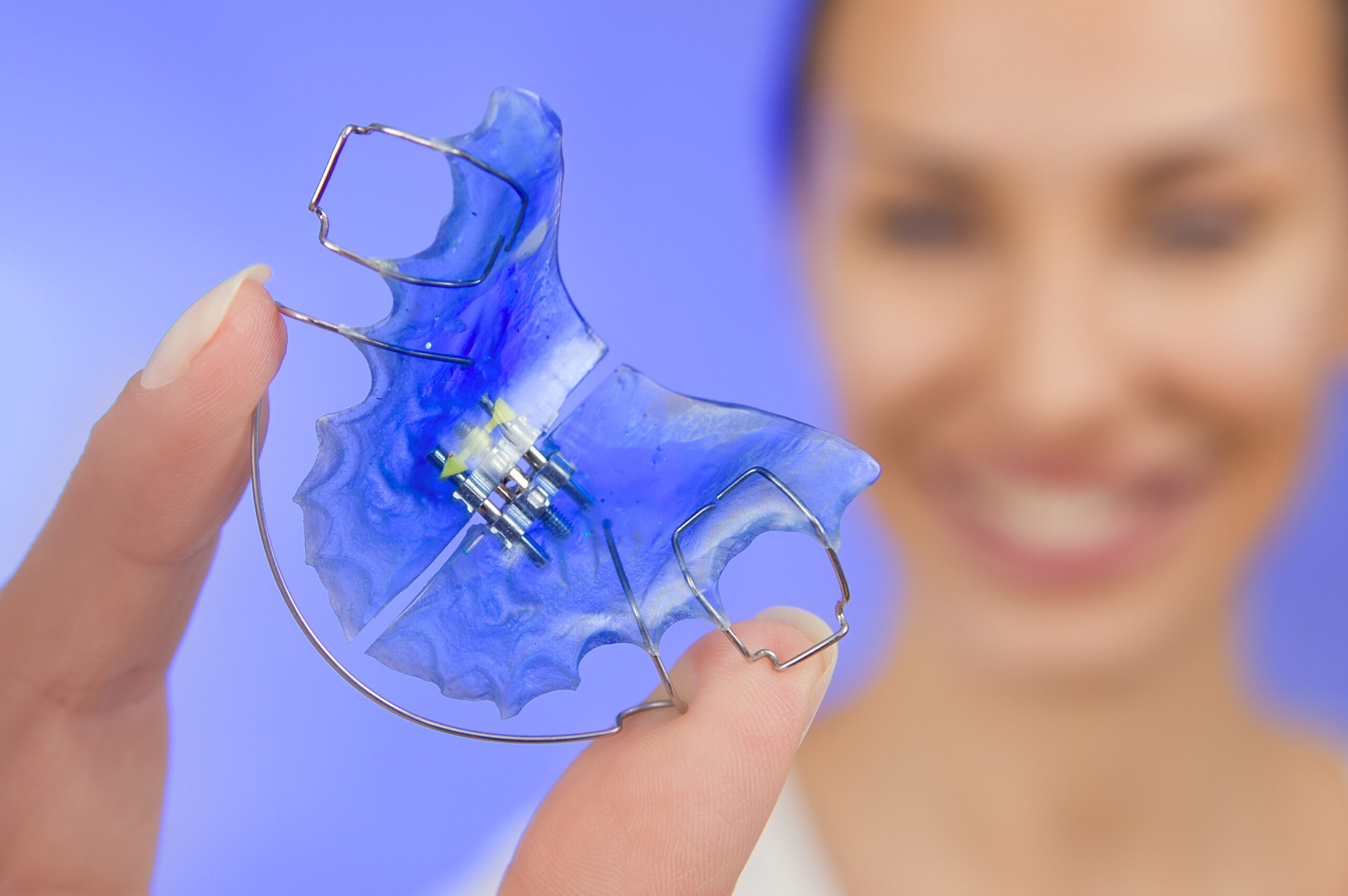
Getting a new retainer from a different orthodontist might seem like a hassle, but it’s actually more common than you think. Retainers wear out or need replacing, and sometimes you just want to switch providers. Here’s everything you need to know to make the process smooth and straightforward.
Understanding Your Retainer Needs: When to Consider a Replacement
Retainers play an essential role in keeping teeth aligned after braces or other orthodontic treatments. Over time, though, they may need replacement. Knowing when it’s time for a new retainer can help maintain your results and comfort.
Signs You Need a New Retainer
Retainer From New Orthodontist
- Visible Cracks or Damage
Cracks, bends, or breaks in your retainer signal it’s time for a replacement. Damage like this can cause discomfort and impact its ability to hold teeth in place. - Loose or Poor Fit
If your retainer feels loose or doesn’t fit snugly, it may have warped over time. A poor fit won’t keep teeth aligned effectively. - Persistent Stains or Odours
Retainers can develop stains and odours even with regular cleaning. If these issues persist, a replacement may be more hygienic. - Increased Wear from Teeth Grinding
Grinding or clenching wears down retainers faster. If you frequently grind your teeth, your retainer may need more frequent replacing. - Discomfort or Pain When Wearing
A retainer should feel comfortable. If you experience pain or pressure, it may no longer be doing its job effectively and could need replacing.
Switching Orthodontists for a Retainer: What to Expect
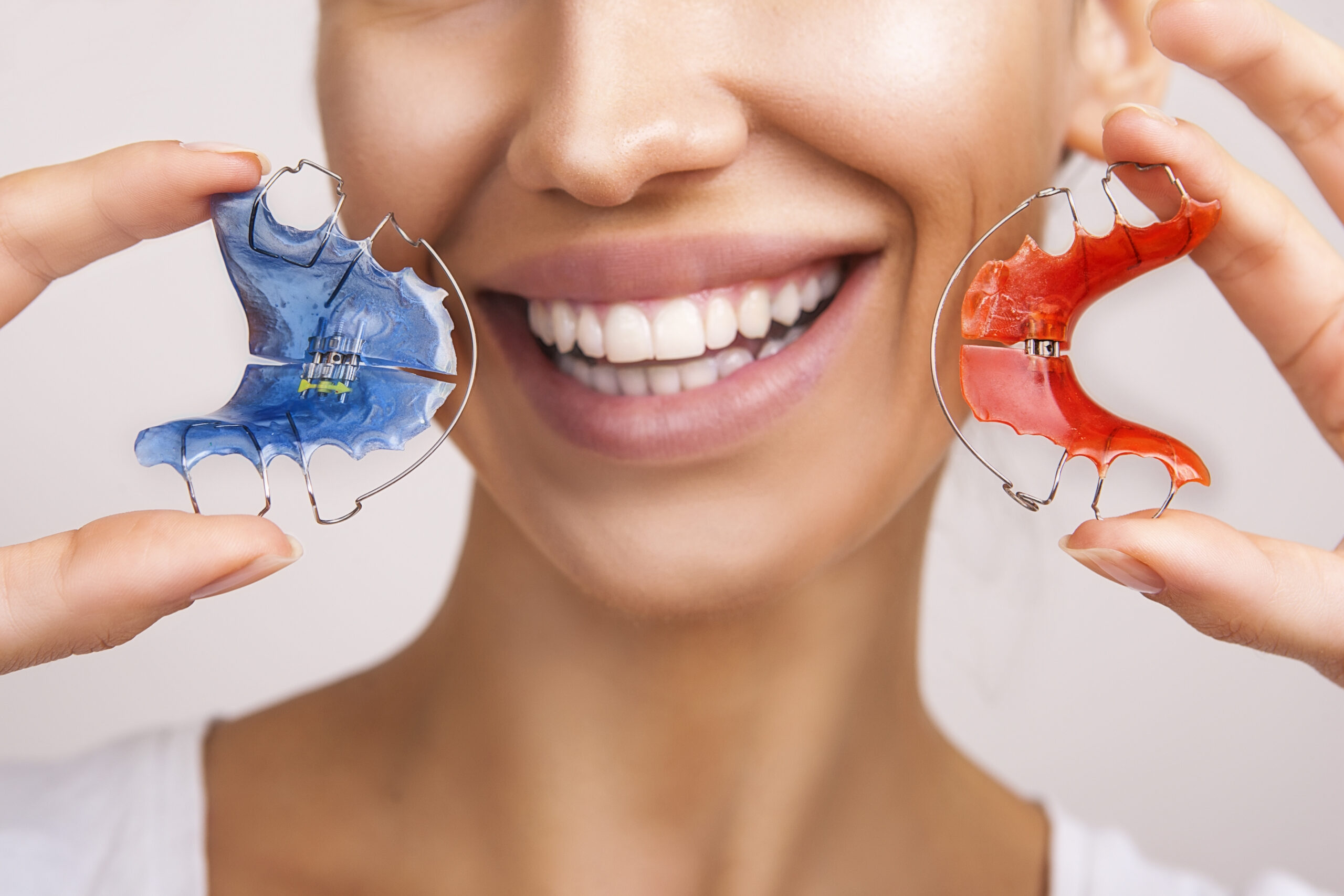
Getting a new retainer from a different orthodontist might seem daunting, but it can be a smooth process. There are several reasons people choose a new provider, and understanding how this change could impact the retainer process helps you decide confidently.
Many people switch orthodontists for convenience, cost, or simply because they’ve moved. Perhaps your original orthodontist’s location no longer suits your lifestyle, or you’ve found a provider with better rates or reviews. Whatever the reason, a new provider can often provide just as effective care and service.
How Switching Orthodontists Could Impact the Process
Switching orthodontists may involve a few extra steps. Your new orthodontist will review your dental history and current retainer needs, and they might require recent dental records or X-rays to ensure an accurate fit. Most orthodontists have streamlined processes for these transitions, making it easier to get a new retainer without disrupting your routine.
The Retainer Replacement Process
Replacing your retainer involves a few essential steps to ensure it fits well and functions effectively. Here’s what you can expect:
- Schedule Your Appointment
Contact your orthodontist to arrange an appointment. Some may require a quick initial consultation to assess your retainer needs before setting up a fitting. - Attend the Fitting Appointment
During your fitting, your orthodontist will take precise measurements or create molds of your teeth. This ensures the new retainer will fit snugly and comfortably. - Review Adjustments and Fit
Once your retainer is ready, the orthodontist may make minor adjustments to ensure it fits without causing any discomfort. This step may take a few minutes, but it’s crucial for effectiveness and comfort. - Receive Instructions on Use and Care
Your orthodontist will explain how to use, clean, and store the new retainer. Following these instructions can help extend its lifespan and maintain your dental alignment.
Maintaining Your New Retainer: Tips for Longevity

Keeping your retainer in good condition takes some simple daily habits and periodic check-ups. Here are the key steps to help your retainer last longer and stay effective:
1. Clean Your Retainer Daily
Rinse your retainer each day to remove debris and bacteria. Use a soft toothbrush and mild, non-abrasive soap for a gentle scrub. Avoid toothpaste, as it can be too harsh and damage the surface over time.
2. Avoid Hot Water to Prevent Warping
Hot water can warp the material of many retainers, affecting the fit. Use cool or lukewarm water when rinsing or cleaning to keep it intact and functional.
3. Store Your Retainer Properly
When you’re not wearing your retainer, place it in a protective case to prevent damage or contamination. Keep it away from pets and children, as they can accidentally damage it. A hard, ventilated case works best for storage.
4. Schedule Regular Check-Ups
Periodic check-ups with your orthodontist ensure your retainer stays in good shape. If it becomes uncomfortable or feels loose, visit your orthodontist for adjustments to keep it working effectively.
5. Avoid Foods and Drinks That Could Stain or Damage
Certain foods and drinks, like coffee, soda, or sticky snacks, can stain or damage your retainer. If possible, avoid eating or drinking with your retainer in. Remove it temporarily to enjoy meals, then rinse and replace it afterward.
Conclusion
Getting a new retainer from a different orthodontist doesn’t need to feel overwhelming. Recognising when it’s time for a replacement, choosing the right provider, and understanding the process can make your experience straightforward. Staying informed about costs and insurance options helps you plan ahead, while maintaining your new retainer through daily care and periodic check-ups will keep it in top condition. With the right steps and attention, your retainer will continue supporting your smile effectively for years to come.
FAQs
1. Can I get a new retainer without seeing an orthodontist?
In most cases, you need an orthodontist to ensure the retainer fits properly and maintains your dental alignment. Some online services offer mail-order retainers, but these may not provide the same accuracy and support as a professional fitting.
2. What types of retainers are available, and how do they differ?
There are three main types: Hawley retainers (removable with a wire and acrylic base), clear plastic retainers (like Essix), and fixed retainers (bonded to the back of your teeth). Each type has unique benefits and maintenance needs, so discussing options with your orthodontist can help you choose the best fit.
3. How long does it take to get a replacement retainer?
The time varies by provider. A new retainer may be ready within a few days for simpler types, like clear retainers, or it might take a few weeks for custom or fixed options. Checking with your orthodontist can give you a more precise timeline.
4. Can I switch between different types of retainers if I prefer another style?
Switching retainer types is possible, but it’s essential to consult your orthodontist first. They can advise on the suitability of different styles based on your treatment history and specific alignment needs.
5. Will wearing a retainer again realign my teeth if they’ve shifted?
A retainer’s primary role is to maintain alignment rather than correct shifts. If teeth have moved noticeably, your orthodontist may recommend alternative treatments, like clear aligners, to restore alignment before using a retainer for maintenance.
6. How do I get a new retainer?
To get a new retainer, you’ll need to schedule an appointment with an orthodontist. The orthodontist will check your teeth alignment, take digital scans or impressions, and recommend the right type of retainer for you. In many cases, a replacement retainer can be made within a few days.
7. Can I get a new retainer from a different orthodontist?
Yes, you can get a new retainer from a different orthodontist. You do not need to return to the orthodontist who originally treated you. A new orthodontist will evaluate your current tooth position and create a retainer that fits your smile properly.
8. Where can I get a new retainer?
You can get a new retainer from a licensed orthodontist or orthodontic practice. Avoid over-the-counter or online retainers without professional supervision, as poorly fitting retainers can cause tooth movement or discomfort.
9. How long does it take to get a replacement retainer?
The timeline varies, but most replacement retainers are ready within a few days to one week after your appointment. Some offices offering in-house labs or digital scanning may provide faster turnaround times.
10. What if my retainer no longer fits?
If your retainer feels tight, painful, or doesn’t fit at all, stop wearing it and contact an orthodontist as soon as possible. Teeth can shift quickly, and wearing a poorly fitting retainer may cause damage or unwanted movement.
11. Can I get new retainers if I lost mine?
Yes. Lost retainers are very common, and orthodontists regularly replace them. The sooner you schedule an appointment, the better your chances of preventing teeth from shifting out of alignment.
Contact Us
If you need a new retainer or have questions about switching orthodontists, our experienced team is here to help. We’ll review your current situation, explain your options, and guide you through a smooth, stress-free retainer replacement process.
Whether your retainer is lost, damaged, or no longer fits comfortably, scheduling a consultation is the first step to protecting your smile. Contact us today to book an appointment, discuss retainer types, or learn more about ongoing orthodontic care. We’re happy to answer your questions and help you maintain long-term alignment with confidence.