
Why Toddler Orthodontic Health Matters
At iSmile Orthodontics, we believe that healthy smiles begin much earlier than most parents realize. While orthodontic treatment is often associated with teenagers, the foundation for proper dental and jaw development is formed during the toddler years. Identifying early signs of orthodontic issues can help prevent more complex orthodontic problems, dental alignment issues, and teeth alignment problems later in life.
As parents, you see your child every day, which puts you in the best position to notice early changes. Understanding what’s normal and what may signal a developing concern allows us to step in at the right time and guide healthy growth.
What Are Orthodontic Issues in Toddlers?
Orthodontic issues refer to problems involving the alignment of the teeth, jaws, or bite. In toddlers, these issues may not always look severe, but even subtle signs can indicate underlying developmental concerns.
Common early orthodontic problems include:
- Crowding or spacing of baby teeth
- Jaw growth imbalances
- Improper bite patterns
- Oral habits that affect tooth positioning
Because toddlers are still growing rapidly, early intervention or monitoring can help reduce the likelihood of more complex orthodontic treatment later
Why Early Detection Is So Important
The toddler years are a critical stage for facial and jaw development. Addressing dental alignment issues early allows us to work with your child’s natural growth instead of correcting problems after they become more severe.
Early detection helps us:
- Guide jaw development while bones are still flexible
- Reduce the risk of severe crowding
- Improve bite function and speech development
- Support better oral hygiene as teeth come in properly aligned
- Potentially shorten or simplify future orthodontic treatment
At iSmile Orthodontics, early evaluations are often about observation and planning, not immediate treatment.
Common Early Signs of Orthodontic Issues in Toddlers
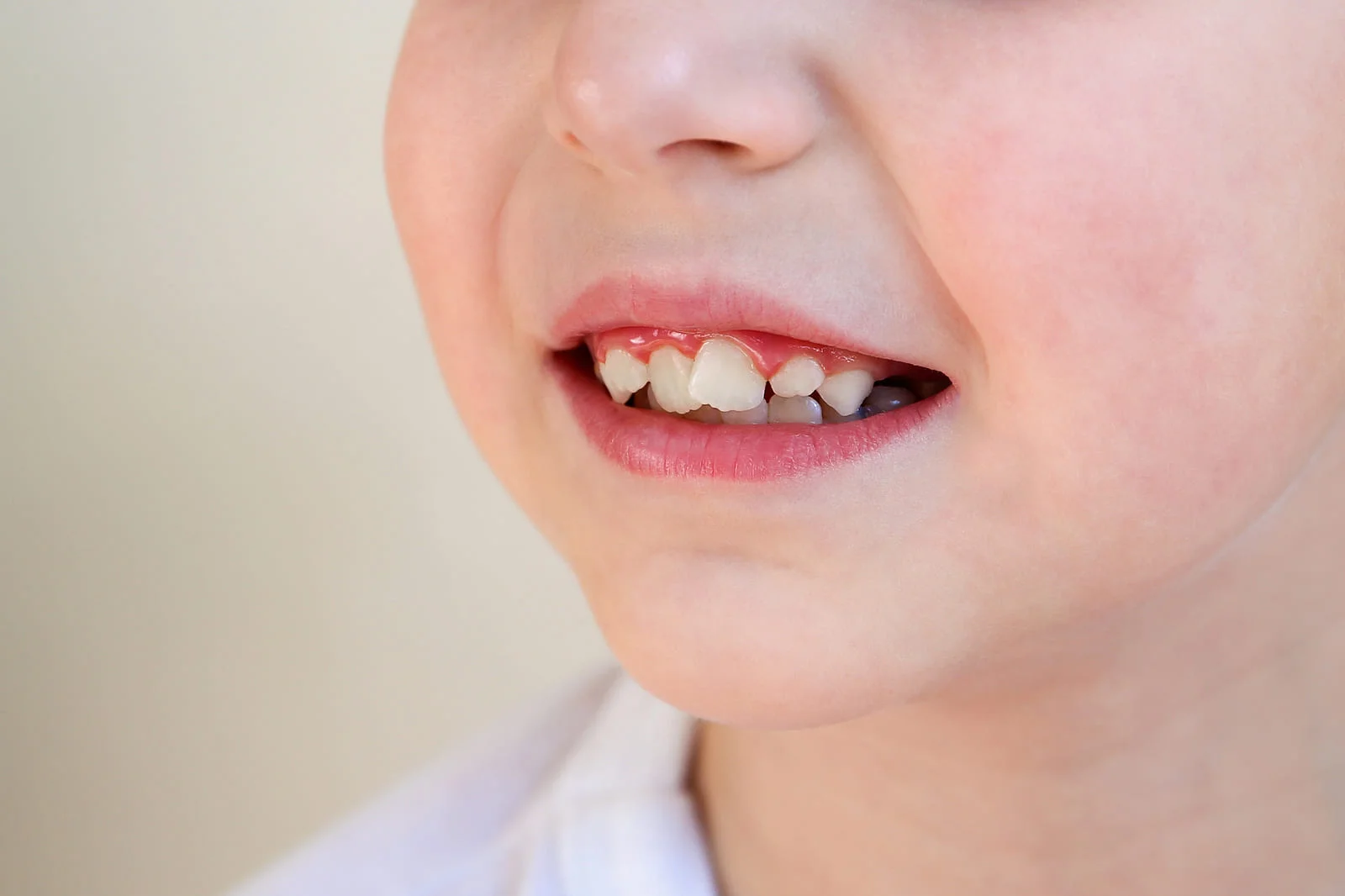
1. Crowded or Overlapping Teeth
Crowding is one of the earliest signs of teeth alignment problems. If baby teeth appear to overlap or twist, it may indicate that there isn’t enough room in the jaw for permanent teeth to emerge properly. Crowded teeth can also make brushing difficult, increasing the risk of cavities.
2. Excessive Gaps Between Teeth
While some spacing between baby teeth is normal, unusually large gaps may signal abnormal jaw growth or missing teeth. Gaps can also affect how adult teeth erupt later, contributing to alignment concerns.
3. Difficulty Chewing or Biting
If your toddler struggles to chew food evenly or avoids certain textures, it could point to a bite issue. Difficulty biting down properly may indicate misaligned teeth or jaws, which can worsen as permanent teeth develop.
4. Early or Delayed Loss of Baby Teeth
Timing matters when it comes to baby teeth. Losing them too early or too late can disrupt how adult teeth come in. Early tooth loss may cause neighboring teeth to shift into the empty space, leading to crowding or misalignment.
5. Persistent Thumb-Sucking or Pacifier Use
Thumb-sucking and pacifier use are normal in infancy, but prolonged habits beyond age four can contribute to orthodontic problems. These habits can:
- Push front teeth forward
- Narrow the upper jaw
- Create bite misalignments
Early guidance can help reduce long-term effects on dental alignment.
6. Protruding Front Teeth
Teeth that stick out noticeably may be more vulnerable to injury and can affect speech development. Protrusion is often related to bite issues or habits like thumb-sucking and should be monitored early.
Other Subtle Signs Parents Often Miss
Some orthodontic issues in toddlers are less obvious but just as important:
- Mouth breathing can affect jaw and facial development
- Speech difficulties, such as lisping
- Frequent cheek or tongue biting
- Jaw clicking or uneven movement
If you notice any of these signs, an early orthodontic evaluation can provide clarity and peace of mind.
When Should Toddlers See an Orthodontist?
While many orthodontic organizations recommend an evaluation by age seven, concerns can arise much earlier. Toddlers showing signs of dental alignment issues or persistent oral habits may benefit from an early consultation.
In orthodontics, “toddler” concerns are typically observed and monitored rather than treated, with most interventions occurring later if needed.
At iSmile Orthodontics, early visits focus on:
- Monitoring growth patterns
- Identifying developing orthodontic issues
- Offering guidance to parents
- Creating a personalized observation plan
Not every child needs immediate treatment, and that’s perfectly normal.
What to Expect During an Early Orthodontic Evaluation
Our early orthodontic visits are designed to be comfortable, informative, and stress-free for both children and parents. During the appointment, we:
- Examine tooth eruption and spacing
- Evaluate jaw alignment and bite
- Discuss habits and developmental milestones
- Answer questions and address concerns
We take time to explain our findings clearly so families feel confident about the next steps.
How Early Orthodontic Care Can Help
Early orthodontic monitoring allows us to guide growth rather than react to problems later. Benefits include:
- Better jaw alignment as your child grows
- Reduce the need for tooth extractions in the future
- Improved facial balance and symmetry
- Easier oral hygiene habits
By identifying orthodontic problems early, we can often prevent more complex treatments during adolescence.
Why Families Trust iSmile Orthodontics
At iSmile Orthodontics, we’re committed to providing thoughtful, child-focused care at every stage of development. Families choose us because we offer:
- Experience working with young children
- A warm, welcoming environment
- Advanced diagnostic technology
- Personalized care plans focused on long-term results
We partner with parents to ensure children grow into healthy, confident smiles.
Supporting Healthy Smiles from the Start
Early signs of orthodontic issues in toddlers are often easier to spot than parents expect. From crowded teeth to persistent habits, these small indicators can signal developing orthodontic problems that are best addressed early.
At iSmile Orthodontics, we believe proactive care leads to better outcomes. By identifying and monitoring dental alignment issues early, we help guide healthy growth and reduce the need for extensive treatment later.
If you have concerns about your toddler’s teeth or jaw development, we’re here to help, because every confident smile starts with the proper foundation. Contact us now for more details.